The New Blueprint: Applied AI’s Seismic Shifts in Global Healthcare
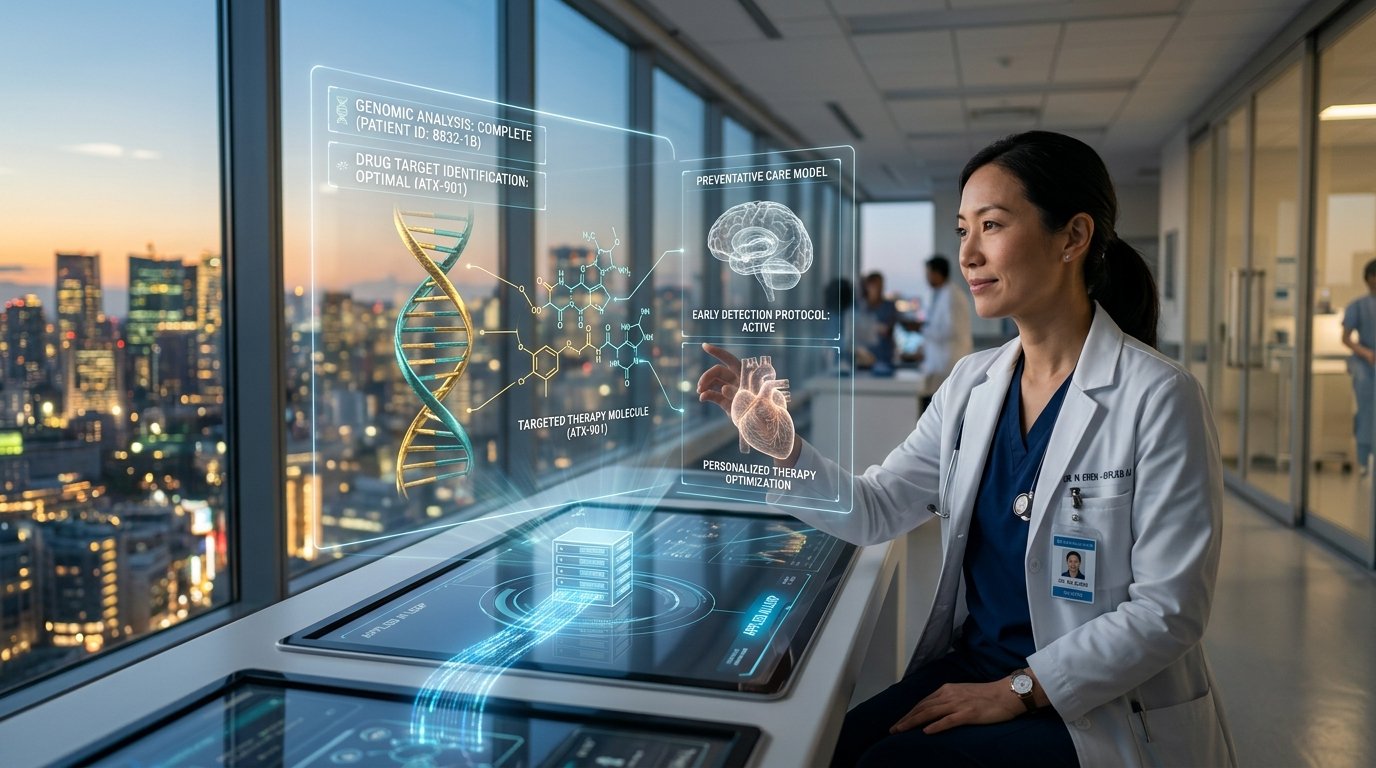
The traditional landscape of medicine—characterized by reactive treatments, “one-size-fits-all” approaches, and diagnostic odysseys—is being dismantled. We are witnessing the most positive disruption in human history, not driven by a single drug or surgical technique, but by Applied AI. The integration of advanced artificial intelligence into medical and healthcare fields is no longer a distant promise; it is delivering factual, exemplary achievements that represent a seismic revolution. This new blueprint for global health prioritizes precision, early action, and universal accessibility.
Exemplary Achievements: Rewiring Diagnostics and Early Detection
The first wave of AI’s impact is most visible in diagnostics. We have transcended the capabilities of the human eye in analyzing complex medical imagery. AI algorithms, trained on gargantuan datasets of digitized slides, scans, and radiographs, are now routinely matching, and often exceeding, the accuracy of board-certified radiologists in identifying subtle anomalies.
Factual Milestones:
- Radiology: AI systems analyzing mammograms have demonstrated the ability to detect breast cancer with accuracy comparable to expert radiologists, potentially reducing diagnostic errors and unnecessary biopsies.
- Dermatology: Algorithms can analyze images of skin lesions to identify malignant melanomas with a level of precision that provides critical support to clinicians in early, life-saving detection.
- Genomics and Data Pattern Recognition: AI isn’t just looking at pictures; it’s analyzing digital blueprints. By parsing vast sets of genomic data and Electronic Health Records (EHR), AI can identify non-obvious patterns—genetic markers, subtle vital sign trends over years, or combinations of lifestyle factors—that signal the impending onset of diseases like stroke or specific cancers long before physical symptoms appear. This capability shifts medicine fundamentally from treating illness to maintaining wellness.
The Upcoming Seismic Revolutions: Precision Medicine and Accelerated Discovery
These achievements are just the tremor before the quake. The revolutions “coming soon” to a globally integrated healthcare tech stack (like the one we envision for distributed operators) will redefine human healthspan and longevity.
1. True Personalized Medicine: We are moving beyond treatments based on broad populations to treatments designed for the individual. AI can synthesize an overwhelming amount of data—a patient’s complete genetic profile, environmental exposures, unique metabolic signature, and medical history—to recommend the precise therapeutic approach. This is the end of trial-and-error medicine. In oncology, for instance, Applied AI is beginning to guide the selection of highly targeted therapies, predicting with precision which combination of drugs will be most effective for a patient’s specific tumor while minimizing toxic side effects. This seismic shift moves medicine from generalized protocol to tailored architecture.
2. The Drug Discovery Renaissance: Traditionally, bringing a new drug to market takes over a decade and billions of dollars, largely spent on slow, brute-force laboratory screening of millions of compounds. AI is demolishing this bottleneck. Algorithms can model molecular interactions in a virtual environment, predicting protein structures and simulating how hypothetical compounds will bind to specific disease targets in a fraction of the time and cost. We are entering an era of “rational drug design,” where novel therapeutics are computationally engineered to solve a problem, rather than found through exhausting trial and error. Factual early results in AI-driven drug discovery (like the identification of new antibiotic candidates) suggest we are on the precipice of a renaissance that will rapidly solve previously intractable diseases.
The Verdict
The narrative of AI in healthcare is overwhelmingly one of profound positivity and rapid, tangible progress. By integrating these factual advancements, we gain a level of diagnostic foresight, therapeutic precision, and drug discovery velocity that would have been unimaginable a decade ago. For the global architect of tomorrow, understanding this exospheric healthcare stack is essential. We are not just building digital empires; we are utilizing Applied AI to build a healthier, more resilient global populace.